Ultimate Hunza Valley Travel Guide For Solo & Family

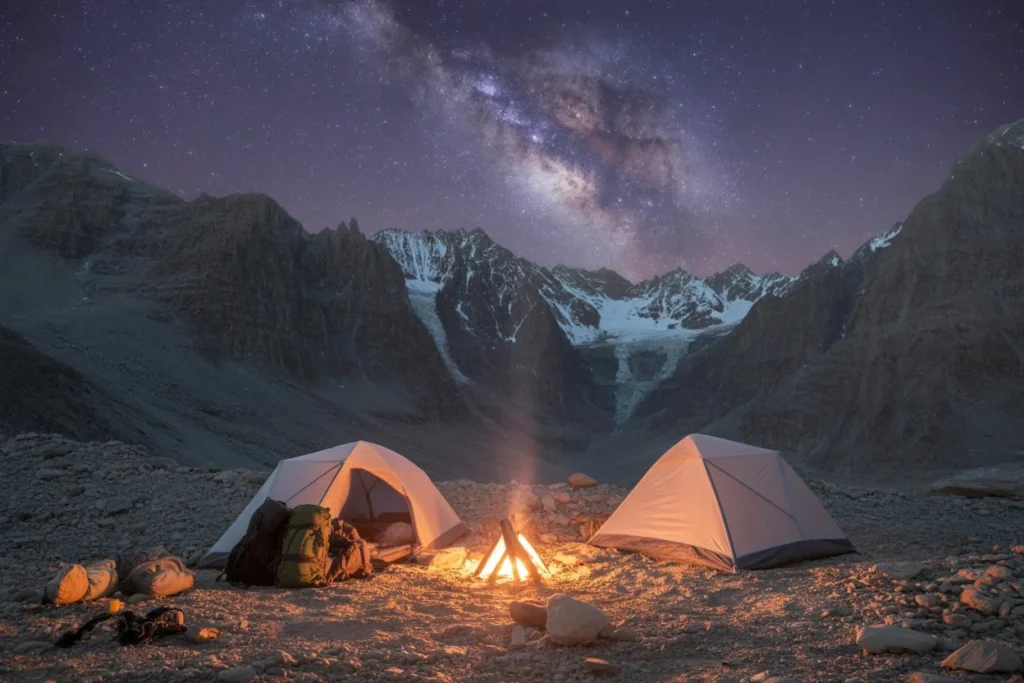
Hunza Valley is truly one of the most beautiful places in Pakistan. It gave me more than I had wished for. The mountains, fresh air, blue rivers, and starry skies make this place very special. No matter when you visit, you will feel its calmness and beauty.
The people of Hunza are very warm and welcoming. I always felt safe and happy there. The area is full of fresh fruits, vegetables, and natural honey. Hunza feels like a small piece of heaven where nature is still pure and untouched.
You can travel to Hunza with your family or even go solo because it is very safe and full of adventure. You will never feel bored here unless you find it hard to handle the cold weather. So let me share my personal experience with you. I started my Hunza journey after doing complete research, and now I am sharing all the useful details to help you plan your trip.
Summary:
Hunza Valley, located in northern Gilgit-Baltistan, is one of Pakistan’s most peaceful and scenic travel destinations. Surrounded by Rakaposhi, Passu Cones, and the Hunza River, this valley offers crystal lakes, ancient forts, and friendly locals. Travelers can enjoy boating at Attabad Lake, trekking at Hopar Glacier, or watching sunsets from Eagle’s Nest Viewpoint. Hunza is safe for solo and family trips, with budget and luxury hotels available in Karimabad and Passu. Fresh fruits, local honey, and Chapshuro are must-try foods. The best time to visit is from April to October when the weather is pleasant for sightseeing and photography.
What is the Hunza Valley Famous for?

Hunza is not just a place; it is an experience. Standing in front of the mighty Passu Cones, crossing the thrilling Hussaini Suspension Bridge, or sipping tea in the shadow of the Baltit Fort, every moment here feels magical.
The valley’s calmness, clean air, fresh fruits, and warm people make it a perfect escape from city life.
Where is Hunza Valley?

Hunza Valley is located in the northern part of Gilgit-Baltistan, Pakistan. It sits close to the China-Pakistan border along the famous Karakoram Highway, often called the Eighth Wonder of the World.
Surrounded by massive peaks like Rakaposhi and Ultar Sar, the valley stretches along the Hunza River and splits into upper, central, and lower regions.
Hunza Valley Weather Overview
Hunza Valley, situated in the Gilgit Baltistan region of Pakistan, experiences a varied climate influenced by its mountainous terrain. The weather varies significantly across seasons, offering unique experiences for travelers year-round. Check the Hunza weather today
Hunza Seasonal Weather Details
Travel Tips Based on Weather
Is Hunza Valley Safe for Tourists?
Hunza is one of the safest places in Pakistan. Locals are incredibly welcoming, and crime is almost unheard of. As a traveler, whether you are with family or exploring alone, you will feel secure.
I traveled multiple times, even with kids, and always found people ready to help with genuine smiles.
Best Time to Visit Hunza Valley

The best time to visit Hunza depends on what you wish to experience:
- Spring (March to May): Cherry blossoms cover the valley in pink and white flowers.
- Summer (June to August): Perfect for sightseeing, trekking, and enjoying pleasant weather.
- Autumn (September to October): The valley turns golden and orange, offering stunning views.
- Winter (November to February): Snow lovers can enjoy peaceful, white landscapes, but some routes may close.
I usually prefer visiting in May when the skies are blue, the nights are crisp, and apple blossoms add colors to the mountains.
How Long to Spend in Hunza Valley?
Spending one week is ideal to truly experience Hunza without rushing. If you have less time, even a 3 to 4 day trip can cover the main highlights, but trust me, once you arrive, you’ll wish you stayed longer.
One Week in Hunza Valley, My Itinerary
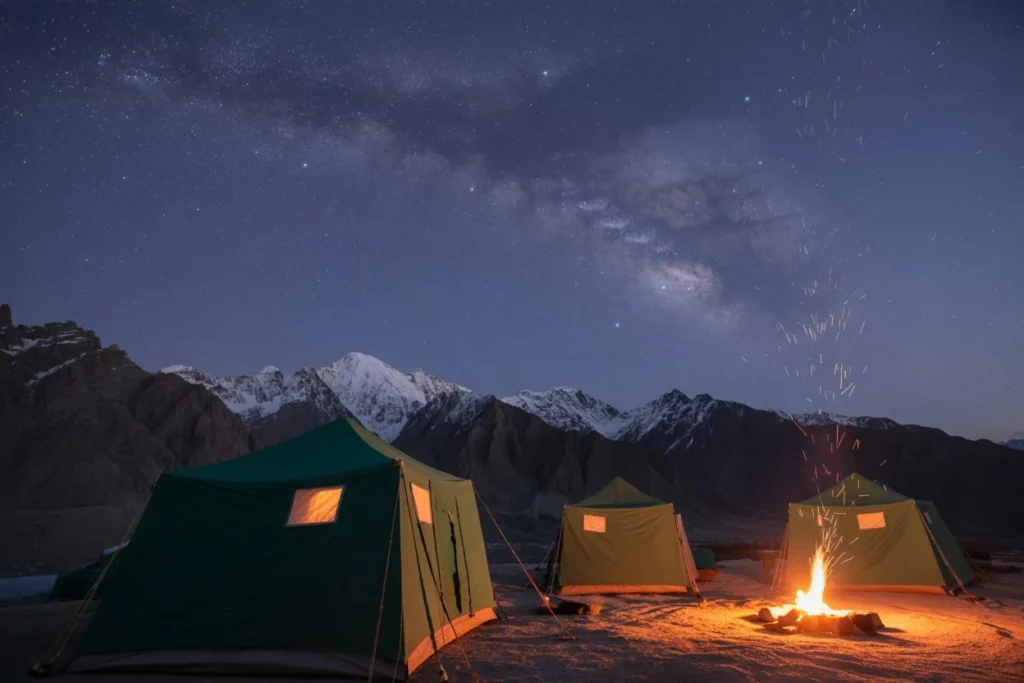
Each day in Hunza offers something fresh and memorable. Here’s how I enjoyed my week:
Day 1: Exploring Central Hunza
Start in Karimabad, home to the historic Baltit Fort and Altit Fort. Wander the old narrow streets and interact with friendly locals selling dry fruits and handicrafts.
Day 2: Attabad Lake and Hussaini Bridge
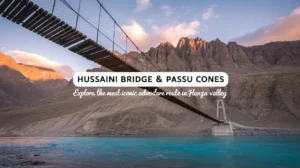
Take a boat ride on the stunning turquoise Attabad Lake. Later, test your courage by walking on the Hussaini Suspension Bridge, one of the world’s most thrilling hanging bridges.
Day 3: Visit Gulmit and Ghulkin
These peaceful villages offer authentic Hunza lifestyle experiences. Explore old houses, enjoy homegrown apricots, and hike to nearby viewpoints.
Day 4: Discover Passu
A day trip to Passu is a must. See the Passu Cones and Passu Glacier raw beauty at its best. Stop at Yak Grill for some traditional food on the way.
Day 5: Journey to Khunjerab Pass
Travel up to Khunjerab Pass, the world’s highest paved border crossing with China. Watch yaks roaming around and breathe in the thin, pure air at 4,700 meters.
Day 6: Hopar Glacier Adventure
Drive towards the Hopar Valley and experience the mesmerizing Hopar Glacier. The views of the glacier crevasses are unforgettable.
Day 7: Relax at Minapin
Spend a peaceful day at Minapin, famous for its easy treks towards Rakaposhi Base Camp or just relax among walnut and apple trees.
Top Places to Visit in Hunza

While every corner of Hunza is beautiful, some spots are simply unmissable:
Where to Stay in Hunza

Hunza offers a wide range of stays for every budget:
How to Travel to Hunza Valley
Most travelers reach Hunza by road via the Karakoram Highway from Islamabad, passing through Mansehra, Chilas, and Gilgit. The road journey is long but extremely scenic. Flights are available to Gilgit, but weather conditions sometimes cause delays.
Internet Connection in Hunza
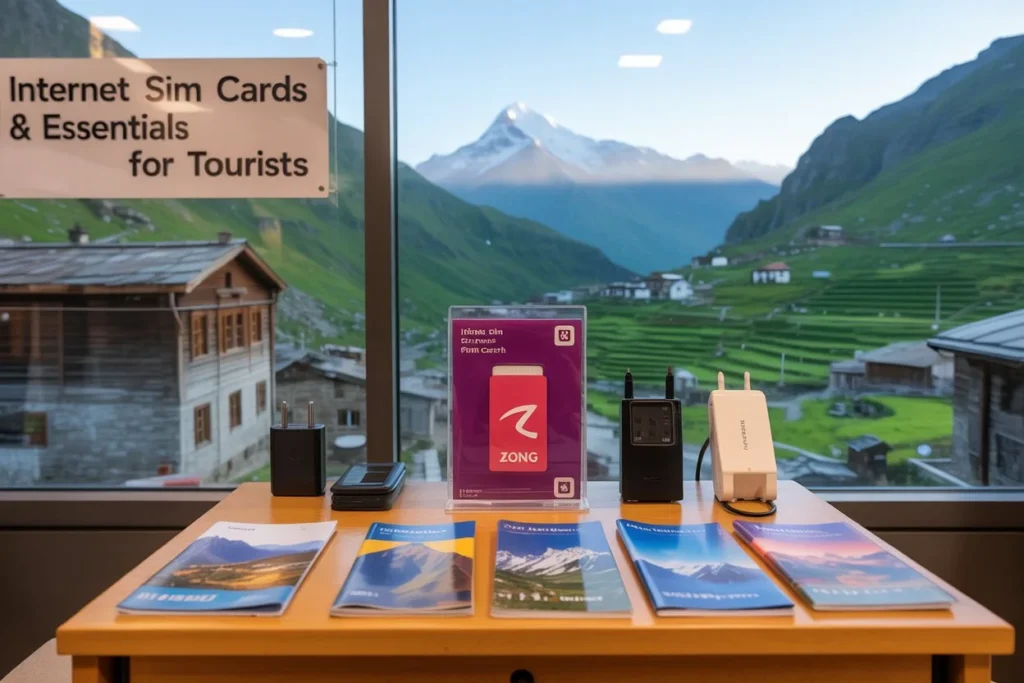
Internet access is available, but it can be slow. Most hotels offer Wi-Fi, but if you need better coverage, getting an SCOM SIM is a smart choice.
Daily Budget in Hunza
Hunza is quite affordable:
This includes food, stay, and local transport.
Hunza Valley People and Culture
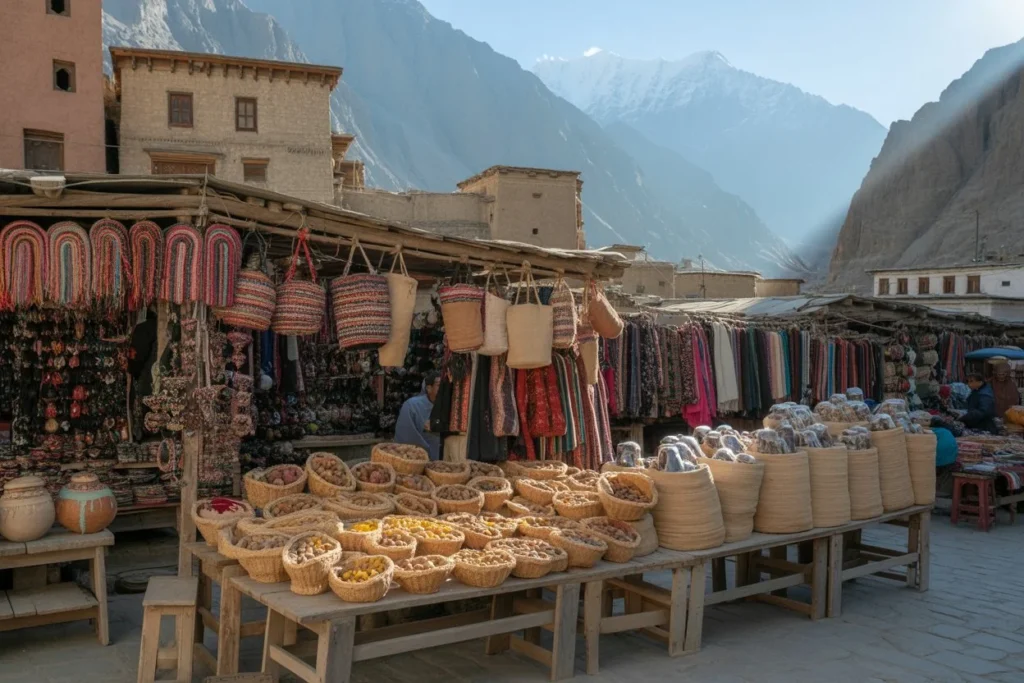
The people of Hunza are mainly Ismaili Muslims, known for their high literacy rates, kindness, and respect towards visitors. Their simple lifestyle, organic food habits, and focus on education make Hunza a peaceful and progressive society.
Food You Must Try in Hunza

Hunza’s food is organic and fresh. Some dishes you should not miss:
Hunza water, known locally for its purity, is often linked to the region’s long life expectancy.
Onward Travel From Hunza
After Hunza, you can continue your journey towards Fairy Meadows, Naltar Valley, or even cross over to Skardu for more incredible adventures in Gilgit-Baltistan.