Deosai Plains National Park Travel Guide from a Real Explorer


Deosai Plains and National Park, one of those places that makes you forget the rest of the world exists. I’ve explored many valleys and plateaus in Gilgit-Baltistan, but few compare to the raw wilderness of Deosai.
This vast alpine plateau sits at about 4,114 meters, considered the second-highest plateau in the world, and it connects Skardu and Astore districts.
Covering over 3,000 square kilometers, it truly earns its name: “Land of Giants.”
The distance from Astore to Skardu through Deosai Plains is around 152 km. Both areas are famous for their beautiful mountain views, green meadows, and clear lakes.
Travelers often come here for trekking, camping, fishing, and even mountain climbing in the wild landscapes of Gilgit-Baltistan.
Summary:
Deosai Plains National Park lies between Skardu and Astore, about 152 km apart, known as the Land of Giants for its high green plains and clear Sheosar Lake. Travelers come for camping, fishing, and seeing Himalayan brown bears and golden marmots. You can enter from Sadpara side of Skardu or Chilum side of Astore, after paying the park entry fee. Roads are rough and rocky, so a 4×4 jeep or strong bike is best. The weather from June to September stays cool in the day and cold at night. There’s no hotel or mobile signal, so bikers should pack food, fuel, and warm clothes before camping at Bara Pani or Chota Pani.
Why are Deosai Plains and National Park so Famous?
From the moment I stepped into Deosai, I felt the silence stretch out in every direction. What makes it so special? Endless green plains, snow-kissed peaks, rare animals, and the feeling that you’re walking in a world that hasn’t changed in centuries.
Deosai is renowned for its Himalayan brown bears, golden marmots that emerge from the grass, and high-altitude wonders like Sheosar Lake (Blind Lake).
Deosai is perfect for anyone who loves quiet places or beautiful scenery. It’s a spot that stays in your memory long after the trip.
Deosai National Park Tourist Map

What are the Entry Procedures & Fees of Deosai Plains National Park?
Deosai National Park has two main entry points, one from Skardu via Sadpara and another from Astore via Chilum. You’ll find checkpoints on both sides where tickets are issued.
The park is open only from late June to late October, as it remains closed during winter due to heavy snowfall.
Entry Fees:
- Pakistani Citizens: 500 PKR per person
- Foreign Tourists: $30 per person
- Locals from Gilgit-Baltistan: 200 PKR per person
Make sure to carry cash for the entry fee. Sometimes you may be asked to show your ID. No extra permit is needed for most travelers, but foreigners should check ahead in case of policy updates.
If you’re coming in a private vehicle, the staff will guide you through the entry process and share basic park rules.
Wildlife in Deosai National Park

Deosai is home to some of the most unique wildlife in Pakistan. You might also be in the territory of elusive animals like the snow leopard and grey wolf, though sightings are extremely rare and usually recorded by researchers or camera traps.
The Himalayan brown bear is the most iconic resident here. Other species include golden marmots, ibex, foxes, and migratory birds such as lammergeiers, falcons, and snowcocks.
These animals roam freely, especially around the designated wildlife zones near Bara Pani and Chota Pani. Always maintain a respectful distance and never leave food behind.
Best Things to Do in Deosai Plains National Park
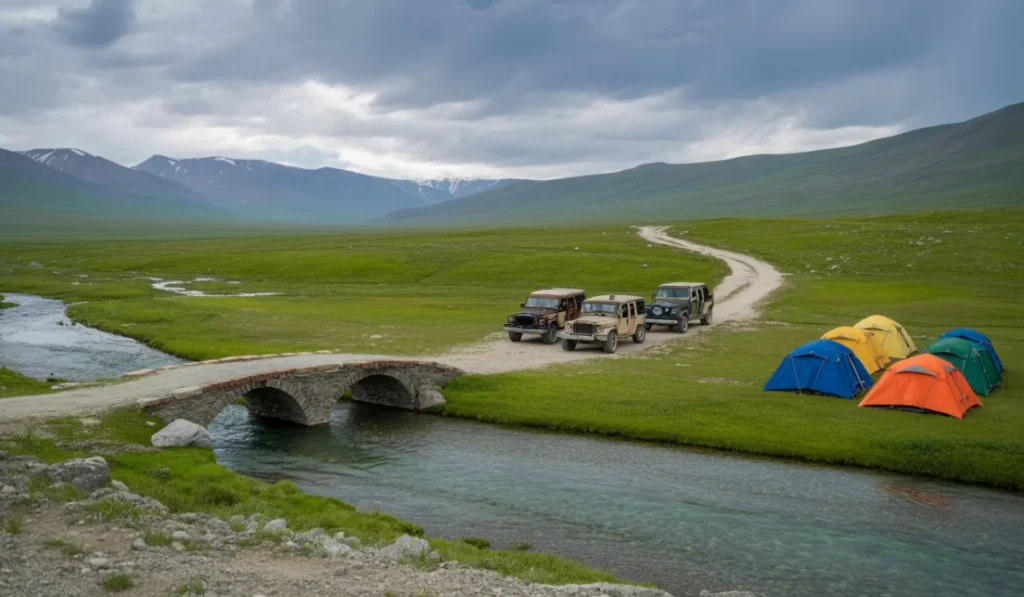
Take my word for it, don’t rush this place. Pitch a tent near Sheosar Lake and watch the sky change colors. In Bara Pani, I once spotted a marmot peeking out as the sun rose. Bring binoculars, you might catch sight of a brown bear in the distance.
Go trout fishing in the freezing streams, hike across flower-laced trails, or just relax at Kala Pani as icy winds brush past your tent. For thrill-seekers, the off-road jeep journey itself is a memory.
Potential Activities for Tourists/Visitors
Weather in Deosai Plains Today
Don’t even think of coming in winter, Deosai sleeps under snow for half the year. The sweet spot is June to September.
Daytime temperatures are mild, 5°C to 20°C, but nights are chilly. It’s best to dress in layers and always carry a waterproof jacket.
Best Ways to Reach Deosai Plains
By Plane
You can fly to Skardu or Gilgit from Islamabad. I prefer Skardu because it’s just about 30 km from Deosai. If you land in Gilgit, head to Astore (around 120 km) and enter Deosai via Chilum.
By Car
From Skardu: Take the road through Sadpara Lake and Bara Pani to reach Sheosar Lake.
- Distance: ~30 km
- Travel Time: 2–3 hours
From Astore: Go through Chilum Valley and climb up into the plateau.
- Distance: ~70 km
- Travel Time: 4–5 hours
By Jeep
I can’t stress this enough: use a proper 4×4. Roads are wild, especially near Kala Pani. You’ll find jeeps in Skardu or Astore. Expect to spend PKR 15,000–20,000 for a round trip. Try to get a driver who knows the area well.
What Should You Know About the Journey?
This isn’t a tourist trap with snacks and shops; pack your essentials. No fuel stations inside. I always carry a travel backpack with a sleeping bag, waterproof jacket, power bank, and dry snacks.
You’ll feel the temperature drop fast in the evening. Foreign travelers may need permits, so check ahead.
Best Time to Visit Deosai Plains National Park
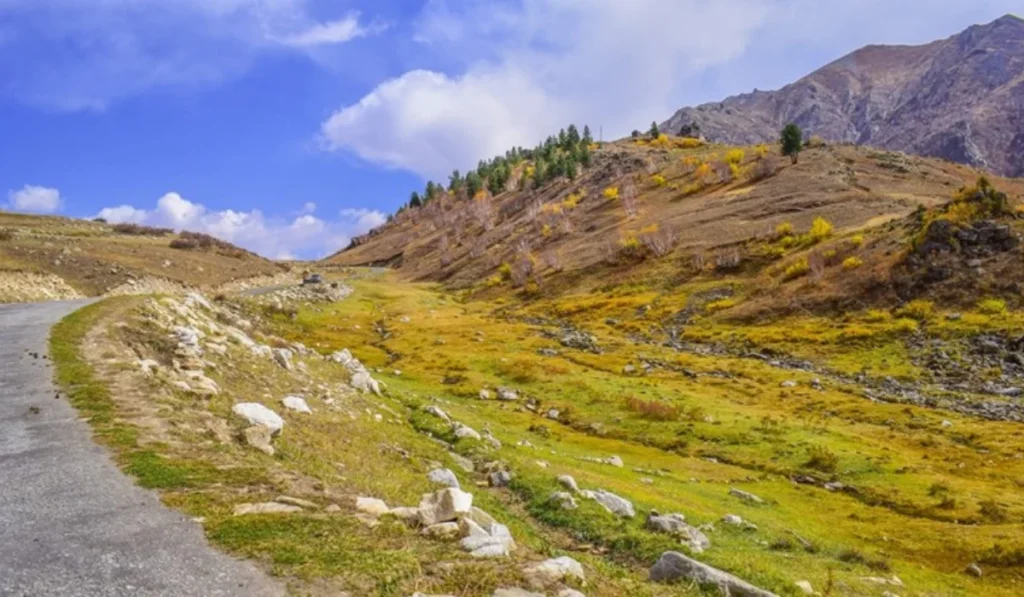
My last trip was in early July, and the flowers were in full bloom. June to September is ideal. Bring a camera and stargaze at night; the sky is unbelievable.
Where to Stay in Deosai Plains National Park?
Forget hotels, this is raw nature. You can:
- Camp at Bara Pani, Chota Pani, or near Sheosar Lake
- Book glamping through tour guides if you want more comfort
- Stay in basic rest houses near Chilum or Skardu
Carry your tent and gear; I always bring a thermal sleeping bag.
What to Eat in Deosai?
There are no eateries inside the park. I prepare sandwiches and energy snacks in advance. Tea and basic food are available at Sadpara or Chilum checkposts before entering.
Safety Tips
- A 4×4 jeep is a must
- Warm clothing is essential, even in summer
- Don’t wander after dark; it’s bear territory
- Always check the weather before leaving
Mobile Network & Connectivity in Deosai
Expect to disconnect. There’s no network in Deosai. SCOM or Telenor might catch a signal near the entry, but don’t count on it. I use offline maps and let someone know my travel dates.
Important Destinations Inside Deosai Plains and National Park (Sheosar Lake)
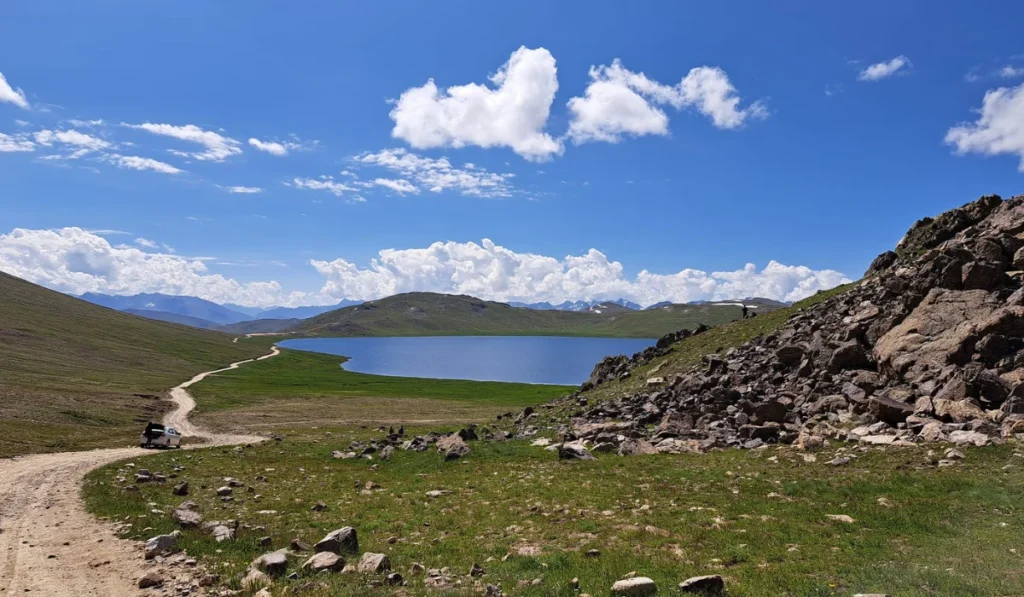
- Sheosar Lake: Surreal lake with a view of Nanga Parbat on clear days
- Kala Pani & Bara Pani: Best for fishing and camping
- Chota Pani: Scenic and quiet, great for setting up camp
- Sadpara Lake: Entry point from Skardu
Final Words
If there’s one place in Pakistan that made me feel like I was standing at the edge of the world, it’s Deosai. From its vast green plains and mirror-like Sheosar Lake to its hidden wildlife and cold mountain winds, Deosai Plains & National Park is more than a destination; it’s a memory. If you’re coming to Gilgit-Baltistan, pack your travel backpack, load up your jeep, and head for the Land of Giants.