Astore Valley Complete Travel Guide for Families & Solo Travelers


From Islamabad to Astore Valley is a journey worth every second. I crossed the Karakoram Highway, turned off at Jaglot, and arrived in Astore after long, scenic hours. In spring, the valley blooms with wildflowers and fresh greenery, while autumn paints every slope in red and golden shades. In summer, the meadows of Rama and the rivers near Gudai shine bright, and winter brings quiet white blankets. Expect to travel by jeep, hire a 4×4 for off-road routes, carry camping gear, and have a modest budget. This quiet corner at the foot of Nanga Parbat delivers real nature, local culture, and memory-making views.
What is Astore Valley Famous For?
Astore is known for its untouched natural beauty, scenic alpine meadows, and clear blue rivers. The valley is the gateway to some of the tallest peaks, including Nanga Parbat.
It’s also famous for Chilum and Rama Meadows, wildlife, traditional wooden homes, and its hospitable people.
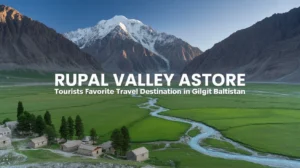
In winter, the valley transforms into a snowy wonderland, while in summer, it becomes a green paradise. Visitors also explore Domel, Minimarg, and Rupal Valley.
What Are the Best Things to Do in Astore Valley?
1. You can start your journey by visiting Rama Lake and the lush green meadows around it, perfect for nature walks and quiet time. From there, plan a trip to Deosai National Park through the beautiful Chilum Valley, a route full of mountain views and wildlife.
2. If you enjoy fishing, head to Gudai, where the cold mountain streams are known for fresh trout. For those who love camping, spending a night under the stars in Minimarg or Rama Meadows is a great experience, just make sure to get prior permission if required.
3. Also visit Tarishing, a peaceful village and a common starting point for treks toward Rupal Valley, which offers stunning views of Nanga Parbat. Adventurous travelers can take a thrilling jeep ride to Rainbow Lake and Domel, two hidden gems surrounded by alpine beauty.
4. To complete your trip, don’t miss out on the traditional culture and hospitality in the small villages of Harcho and Trashing, where you can connect with the locals and learn about their way of life.
You can also explore the most beautiful Naltar Valley for your next tour in Gilgit Baltistan, Pakistan.
Weather in Astore Valley
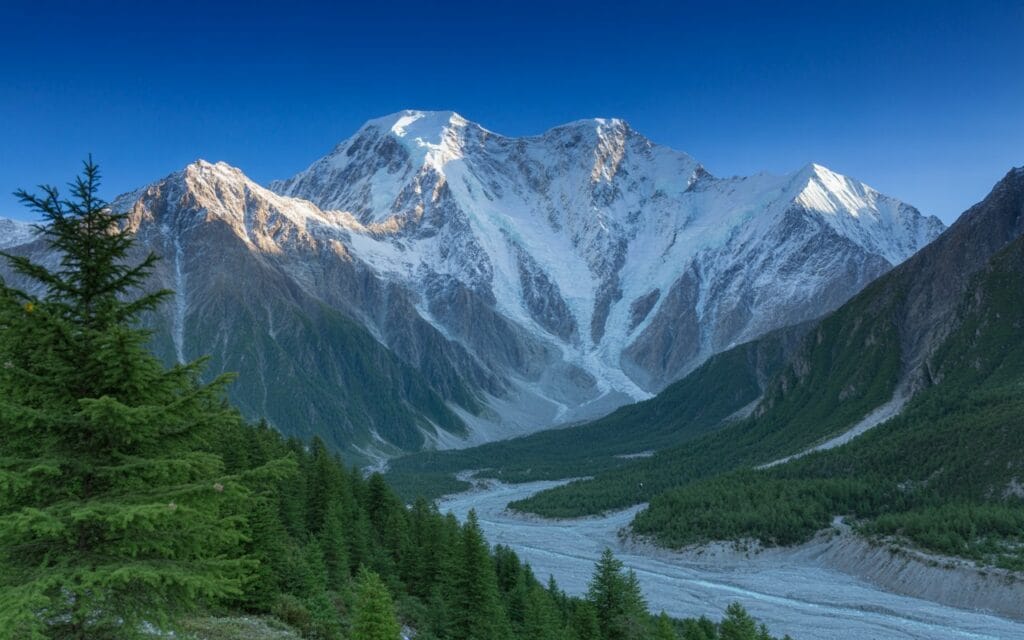
In the summer months (May to September), Astore Valley experiences cool and pleasant weather, making it ideal for trekking, sightseeing, and family trips.
The temperature stays between 10°C to 25°C. Winter (November to February) brings heavy snowfall, and temperatures often drop below freezing, making the region challenging but serene for snow lovers.
Roads may be blocked during the peak winter months. Spring (April) brings blooming flowers, while autumn shows vibrant golden trees.
How to Reach Astore Valley from Islamabad?
By Plane
There are no direct flights to Astore. The nearest airport is Gilgit Airport. From Islamabad, daily flights operate to Gilgit (subject to weather). Once you land in Gilgit, you can take a jeep or local transport to Astore, which is about 3–4 hours away.
- Flight Duration: 1 hour (Islamabad to Gilgit)
- Drive from Gilgit to Astore: ~120 km (3–4 hours)
By Car
You can drive to Astore via Naran–Babusar Pass (open June–October) or via the Karakoram Highway and Jaglot all year round. From Jaglot, take a turn towards Astore. Chilas to Astore distance is 114 Km.
- Distance from Islamabad: ~600 km
- Travel Time: 13–15 hours
- Route 1 (Summer): Islamabad → Naran → Babusar Pass → Chilas → Jaglot → Astore
- Route 2 (All year): Islamabad → Abbottabad → Besham → Dasu → Chilas → Jaglot → Astore
By Bike
Motorbike travelers enjoy the scenic but challenging roads. Carry essential gear like a travel backpack, waterproof jacket, sleeping bag, and portable tools.
- Route: Same as car route
- Make rest stops at Naran, Chilas, or Jaglot
Public Transport
- NATCO buses and local Hiace vans operate from Rawalpindi to Gilgit, then switch to a local van to Astore.
- Shared jeeps are available from Jaglot to Astore.
What Should You Know About the Journey?
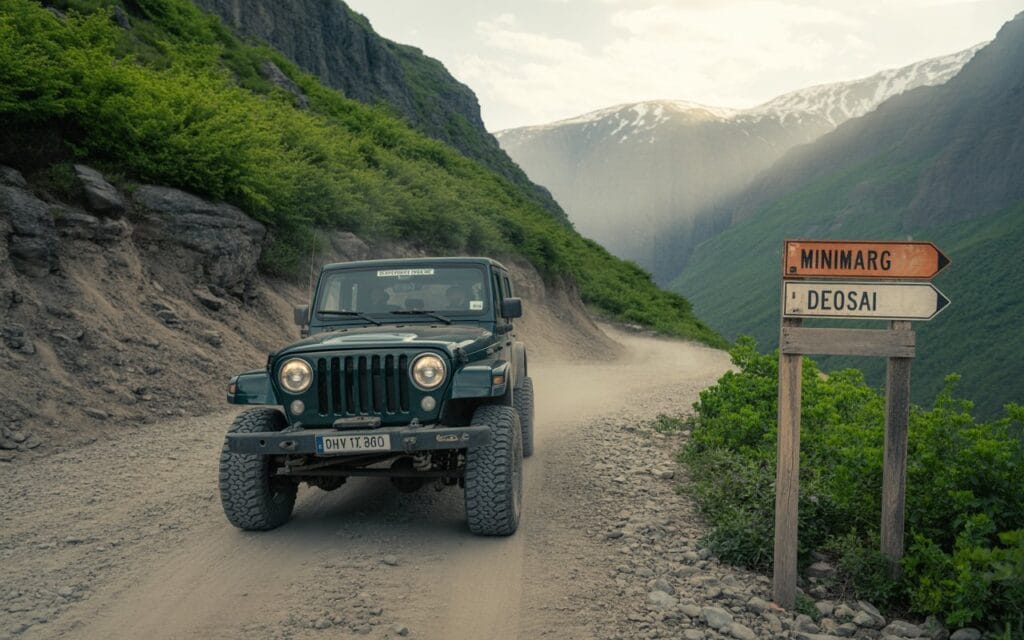
After Jaglot, the roads become narrow and rough, especially during winter months, so drive carefully.
A 4×4 vehicle is highly recommended if you’re planning to visit areas like Chilum, Minimarg, or Domel, as the roads there can be challenging.
Mobile signals are weak or unavailable in many remote spots. It’s smart to carry a local SIM and a power bank to stay connected.
To visit Minimarg or Rainbow Lake, you must get a permit (NOC) in advance, as these areas are under army control.
What is the Best Time to Visit Astore Valley?
- Summer (May to September): Lush green meadows, accessible lakes, and pleasant weather.
- Winter (November to February): Snow-covered views and fewer crowds, but harsh conditions.
- Spring (April): Flower bloom and mild weather.
- Autumn (October): Colorful foliage and peaceful surroundings.
Where to Stay in Astore Valley?
- Budget guest houses in Astore Town (like Kamran Hotel and Mountain Lodge)
- Rama PTDC Motel near Rama Meadows
- Local wooden houses and homestays in Tarishing, Gudai, and Rattu
- Camping options in Rama, Chilum, and Domel (carry your gear)
What to Eat, Local Food & Restaurants?
- Try traditional dishes like Chapshuro, Goli (wheat balls), and local trout
- Small dhabas and chai hotels in Astore Town and Gudai
- Carry dry snacks and water for remote journeys
What Safety Tips Should You Know Before Traveling to Astore?
- Always check weather updates before starting the journey
- Avoid traveling alone in the off-season
- Inform someone before going for treks
- Use a good-quality sleeping bag if camping overnight
- Keep ID and necessary permits (required for Minimarg and Burzil)
What’s the Internet and Mobile Network Situation in Astore?
- Limited coverage by SCOM and Telenor in some areas
- PTCL landlines and Wi-Fi may be available in some hotels
- No internet in Chilum, Minimarg, or Deosai Plains
What Are the Nearby Astore Valley Attractions?

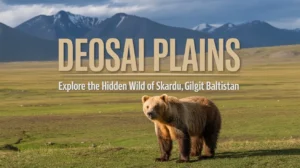
You can enter Deosai National Park through Chilum Valley. It’s known for Sheosar Lake, wildflowers, and rare wildlife like the Himalayan brown bear.
Rama Lake is one of the most peaceful spots in Astore, surrounded by pine trees and green alpine meadows perfect for a quiet day out.
Minimarg is a beautiful border valley with amazing alpine views, but you’ll need army permission (NOC) to visit.
Close to Minimarg, Rainbow Lake, and Domel offer scenic beauty. A 4×4 jeep is required to reach these remote lakes.
Tarishing Village is the main starting point for treks to Rupal Valley, which is the base camp for Nanga Parbat expeditions.
In summer, Burzil Pass connects Astore with Azad Kashmir. The road is rough, and you’ll need a jeep to cross safely.
Rattu is popular in winter for skiing, ice climbing, and snow sports. It also has a military ski training center.
The Astore Wildlife Sanctuary is home to species like Markhor, brown bears, and snow leopards, a must for wildlife lovers.
You can also drive to Kamri Top, a panoramic spot near Kamri Valley, known for its vast open landscapes and peaceful setting.
Final Words
Astore Valley in Gilgit-Baltistan is a perfect destination for travelers looking for nature, peace, and culture. From its scenic meadows like Rama and Gudai to adventurous routes like Minimarg and Deosai, every place offers a unique experience.
Whether you’re on a family vacation or a solo road trip with a travel backpack and camping gear, Astore has something for everyone. Plan your journey wisely, get the permits needed, and enjoy the peaceful lifestyle, local food, and scenic views of one of the best valleys in northern Pakistan.